
Toleukhanova Ryspube Akhmetkalievna
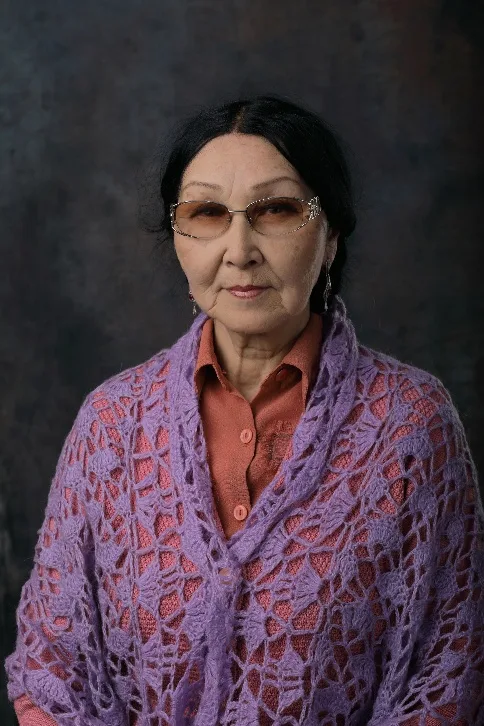
TOLEUKHANOVA RYSPUBE AKHMETKALIEVNA Year of birth and place: 25.01.1949, Semey region, Makanshy district Education: specialized secondary Main occupation: theater field Achievements, titles: Honored Worker of Culture of the Republic of Kazakhstan Current position: actress Toleukhanova Rysbubi Akhmetkalievna was born in 1949 in the Semey region, Makanshy district. She successfully completed the actor training studio at the M. Auezov Theater and came to work at the Abai Kazakh Musical Drama Theater in Semey on the recommendation of the Ministry of Culture. The actress's first theatrical steps began with the roles of Rapish in M. Sarsekeev's "Chinggis Khaan," Bayan in G. Musirepov's "Kozы-Korpesh – Bayan-Sulu," Lazat and Salikha in T. Akhtanov's "The Sorrow of Love," Ulzhan in A. Tarazi's "A Good Person," Eңlik in M. Auezov's "Eңlik – Kebek," Sholpan in "Ayman-Sholpan," Murzhan in "Karagoz," Sara in S. Shaimerdenov's "You Were My Song," Layla in O. Bodikov's "I Don't Want to Get Married," Turghan in Zh. Jumakanov's "Love and Career," Janar and Gulmira in R. Seysenbaev's "Crisis," Nazila in D. Isabekov's "Sister," and Ardak in "Little Village." Through these roles, the actress honed her skills, developing her unique performance experience with each stage character. Regardless of the role, Rysbubi Akhmetkalievna approached her work with a critical eye and prepared thoroughly as an artist. Additionally, she is recognized as a caring teacher who tirelessly shares her extensive experience with the younger generation. On stage, she has masterfully portrayed roles such as Nurke in O. Bokeev's "Do Not Extinguish Your Fire," Makpal in G. Musirepov's "Kozы-Korpesh – Bayan-Sulu," Koklan in M. Auezov's "Karakypchak Kobylandy," Tekti kudai in M. Auezov's "Karakoz," Dameli in G. Musirepov's "Akan Seri – Aktoqty," Ruh in Sh. Murtaza's "Domalak-Ana," Basharot in S. Akhmad's "The Uprising of the Daughters-in-law," Jumagul in Z. Kystaubayuly's "In the White Curtain of Dreams," Ana in E. Toleubai's "Destined Fate," Aitjamal in "Our Village Is Like This," Kamka in T. Ibragimov's "Punishment-Repentance," Ulzhan in "Young Abai," Kamka in T. Jurtbaev's "Kunabai," Ukibala in Sh. Aitmatov's "In the Blizzard Station," Kurala in O. Boranbaev's "The Last Marriage of Sotanai," the wife of Duanbasy in N. V. Gogol's and M. Auezov's "The Inspector," Salsabila in B. Alimzhanov's "Oh, Old Man and Old Woman," and Jahangir in U. Gadjibekov's "Arshin Mal Alan." She has also performed in roles such as Eңlik in M. Auezov's "Eңlik-Kebek," Sholpan in "Ayman-Sholpan," Murzhan and Zeynep in "Karagoz," Bayan, Makpal, Kunikey, and Tansyk in G. Musirepov's "Kozы-Korpesh-Bayan-Sulu," Dameli in "Akan Seri-Aktoqty," Ukibala in Sh. Aitmatov's "In the Blizzard Station," Kемпір in S. Mukhanov's "Pure Love," Sara in S. Shaimerdenov's "You Were My Song," Lazat and Salikha in T. Akhtanov's "The Sorrow of Love," Saniya in "Father and Son," Gulzhamal in "The Puppy Groom," Ruh in Sh. Murtaza's "Domalak Ana," Sharipa in S. Junisov's "I Tell You, My Daughter," Mayra in "We Became Girls Out of Shame," Ulzhan in A. Tarazi's "A Good Person," Ardak in D. Isabekov's "Little Village," Nazila in "Sister," Anna in N. V. Gogol's "The Inspector," Karina in F. Erve's "The Fox Lady," Bashorat in S. Akhmad's "The Uprising of the Daughters-in-law," Gulmira in S. Smataev's "Fate," Mazhenova in M. Ibraev's "Shakarim," Kurala in O. Boranbaev's "The Last Marriage of Sotanai," Salsabila in B. Alimzhanov's "Oh, Old Man and Old Woman," Rapish in M. Sarsekeuly's "Chinggis Khaan," Tsago in O. Ioseliani's "Do Not Let Your Breath Be Short," Kondrashina in A. Satayev's "The Death Wagon," Nurke in O. Bokei's "Do Not Extinguish Your Fire," Bibi Apa in U. Esdaulat's "Black Slippers," Zura in A. Abishev's "The Unknown Hero," Nagima in Sh. Kamal's "Haji Apendi Gets Married," Gulmira and Janar in R. Seysenbaev's "Crisis," Kaisha in G. Sapayev's "My Feast is a Feast," Jyndy Girl in Z. Akyshev's "Walking Musa," Turghan in J. Jumakanov's "Love and Career," Jumagul in Z. Kystaubayuly's "In the White Curtain of Dreams," Zere and Ulzhan in T. Ibragimov's "Young Abai," Ana in E. Toleubai's "Destined Fate," Aitjamal in "Our Village Is Like This," Mother in Lobozero's "The Guest from the Asylum," Telli in U. Gadjibekov's "Arshin Mal Alan," Fakhriya in T. Gizat's "My Shoes," Makpuza in Z. Ismagilov's "Kudasha," Maria in R. Otarbay's "Mustafa Shokay," The Voice of Death in T. Abdiakimuly's "The Voice of Silence," Mother Earth in B. Bedelkhan's "Three Baiterek," Golden Khan in A. Sapychev's "Kerei-Zhanibek," Rahima Grandma in "Sharbole," Bibigul in T. Alzhantegi's "Angels Do Not Live on Earth," Katcha in R. Mukhanova's "Eternal Child Image," and Mother in B. Abdurazzakov's "Ainalaiyn." Outside the theater, Rysbubi Akhmetkalievna has actively participated in the cultural life of the city as a master of artistic word, participating in the documentary film "The Song of Kulager," serving as a host at the celebrations of the great Abai and Karakerey Qabanbay, and earning the respect of the people. She has always worked alongside directors such as E. Obaev, K. Rakhmetov, and Sh. Kariabaev, receiving warm words from well-known cultural figures across the republic. Especially, her role as Koklan in M. Auezov's "Karakypchak Kobylandy" has been regarded as the pinnacle of her acting mastery. Additionally, she received the "Stage Wizard" nomination from the critics' award.