
Zulkharov Gabit
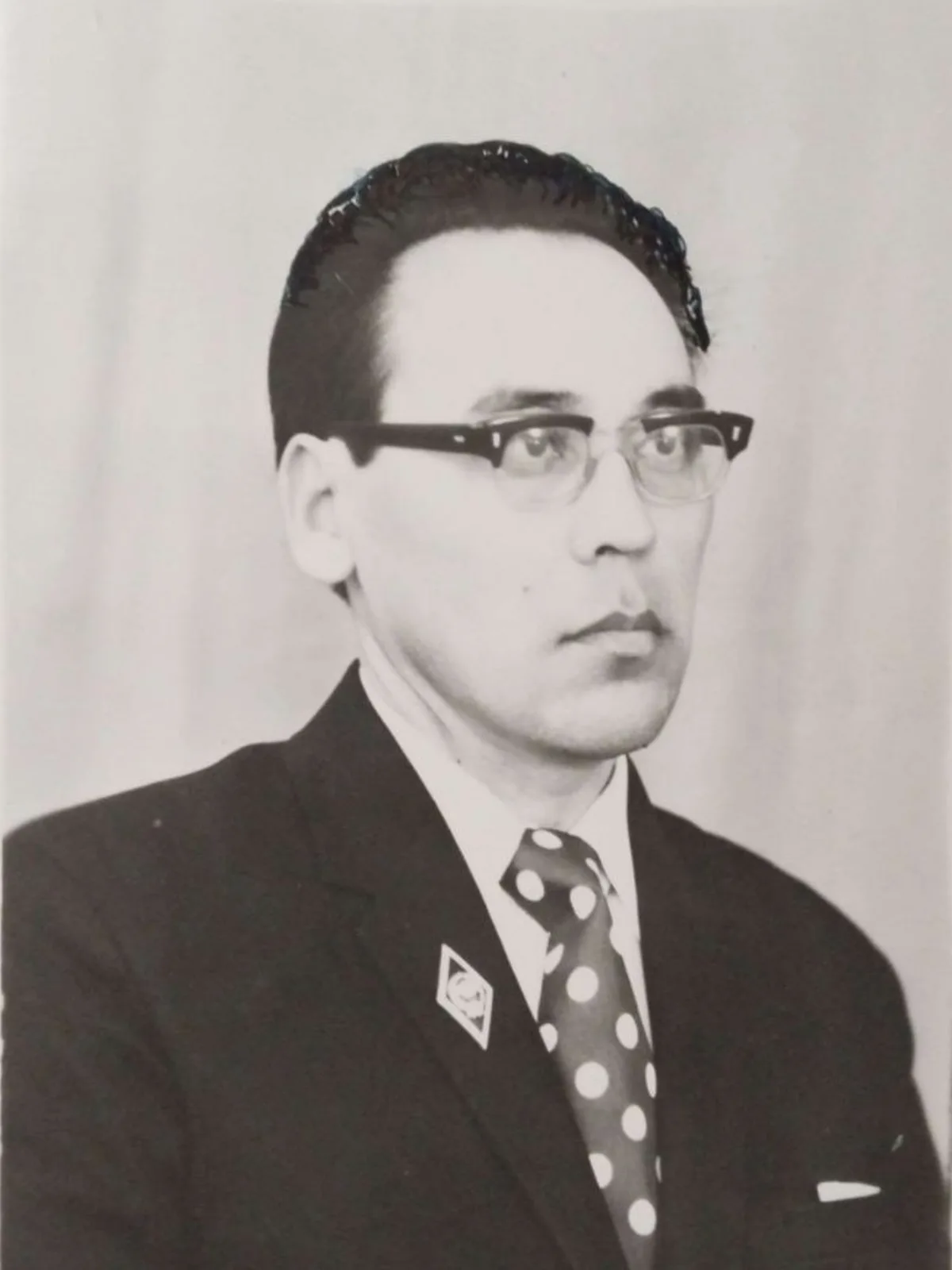
Gabit Zulharov (October 23, 1937 – January 24, 2024) was a prominent writer, journalist, and local historian who worked in Kazakh journalism for nearly forty years, systematically researching the documentary heritage of Mukhtar Omarhanuly Auezov.
He was born in 1937 in the "Kyzyl Zhetik" collective farm in the Zharma district of Semey region. In 1964, he graduated from the Faculty of Journalism at Al-Farabi Kazakh National University. He began his career as a teacher in a village school and later worked at the newspapers "Za Kommunisticheskiy Trud" in the Shardara district, "Za Izobilie" in the Zharma district, Semey regional radio, and the Ayagoz district newspaper "Alga" ("Forward"). Through his editorial work, he nurtured young journalists and established a journalistic school.
Gabit Zulharov's creative essence is characterized by deep research based on historical data. He became known for his articles that contributed to the screen adaptation of Ilyas Zhansugurov's poem "Kulaguer." The main focus of his scientific research was dedicated to studying Mukhtar Auezov's documentary essays. He clarified the history of the writer's travel essays through archival data and published over 200 scientific and educational articles in Kazakh, Russian, Uyghur, German, and Korean languages.
He substantiated Auezov's visit to Ayagoz in 1943 with concrete evidence and initiated the installation of a commemorative plaque at the house where the great writer stayed in 2015. As a result of these studies, his work titled "Auezov and Ayagoz" was published in 2017.
Gabit Zulharov also made significant contributions in the field of translation. He translated the historically significant work "Diaries and Letters" by Polish scholar Adolf Janushkevich into Kazakh, and this work was recognized as an independent translation, with the author's rights officially registered. At the writer's suggestion, streets in Astana, Semey, and Ayagoz were named after Janushkevich.
Gabit Zulharov's works are aimed at reviving national spirituality and historical memory. He is considered a figure with a unique place in Kazakh culture, having articulated history through the language of journalism and combined data with knowledge.