
Selevin Viktor Alekseevich
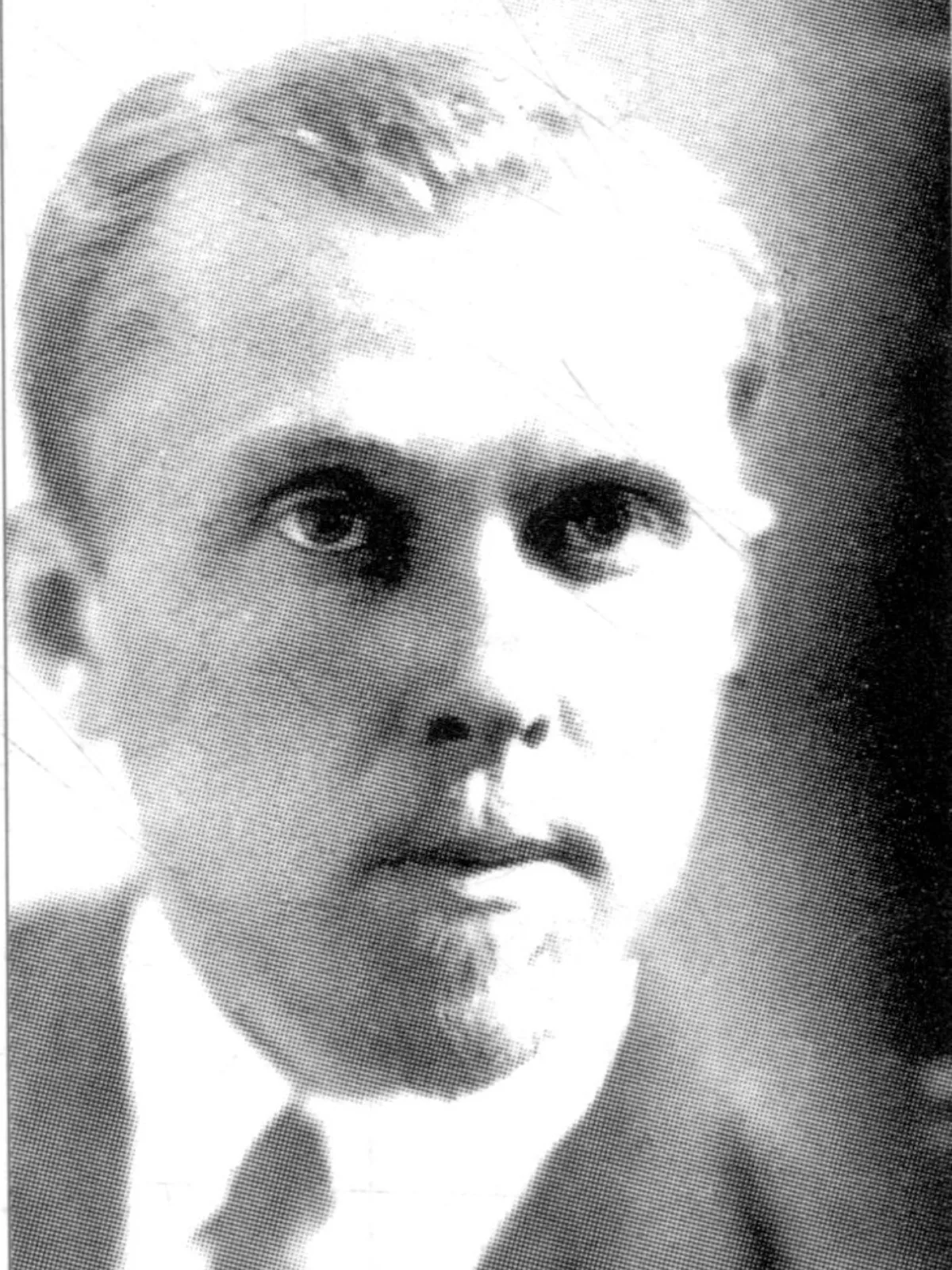
Viktor Alekseevich Selevin (05.04.1905-04.11.1938) – a scientist-zoologist, local historian. He was born in the city of Zmeinogorsk in the Semey region.
He worked at the Semey museum under the guidance of A. N. Beloslyudov. Later, he enrolled at Tomsk University and then transferred to the Central Asian University in Tashkent, where he graduated and was accepted into graduate school. In the winter of 1936, Viktor Alekseevich Selevin was awarded the scientific degree of Candidate of Biological Sciences without defending a dissertation. He was elected as an associate professor at the Department of Zoology of the S. M. Kirov Kazakh State University.
From the mid-1920s, he studied the fauna of the western part of Altai near the Irtysh River: he researched the upper reaches of the Irtysh, Lake Zaysan, and the Black Irtysh, identifying the reproductive characteristics of grasshoppers; he collected materials during an entomological expedition in the southern districts of Semey region and the eastern part of the Balkhash area; he participated in the expeditions of the Semey museum to Western Altai; he conducted archaeological and entomological research in the small hills of Kazakhstan and the deserts of the Balkhash region; with the support of the Government of the Kazakh SSR, he conducted research over a wide area from Karaganda to the Karakol Mountains and Lake Balkhash; he took part in the first comprehensive expedition organized to the Betpakdala desert; he participated in the research expedition to the Saryarka plateau organized jointly by Tashkent and Almaty universities.
The results of these expeditions attracted public attention, and well-known journalists such as El-Registan, photojournalist Zelma, and others wrote about them. The subsequent expeditions in 1937-1938 made it possible to study almost all of the "blank spots" of the Betpakdala. Cinematographer B. Pumpyansky filmed a documentary titled "Aitys: The Defeated Desert" (1939). The main scientific achievement of the expedition was the discovery of a new species and genus of rodents unique to Kazakhstan. This endemic animal was named Selevinia in honor of the scientist.
V. A. Selevin's untimely death in 1938 halted further research in the desert regions.