
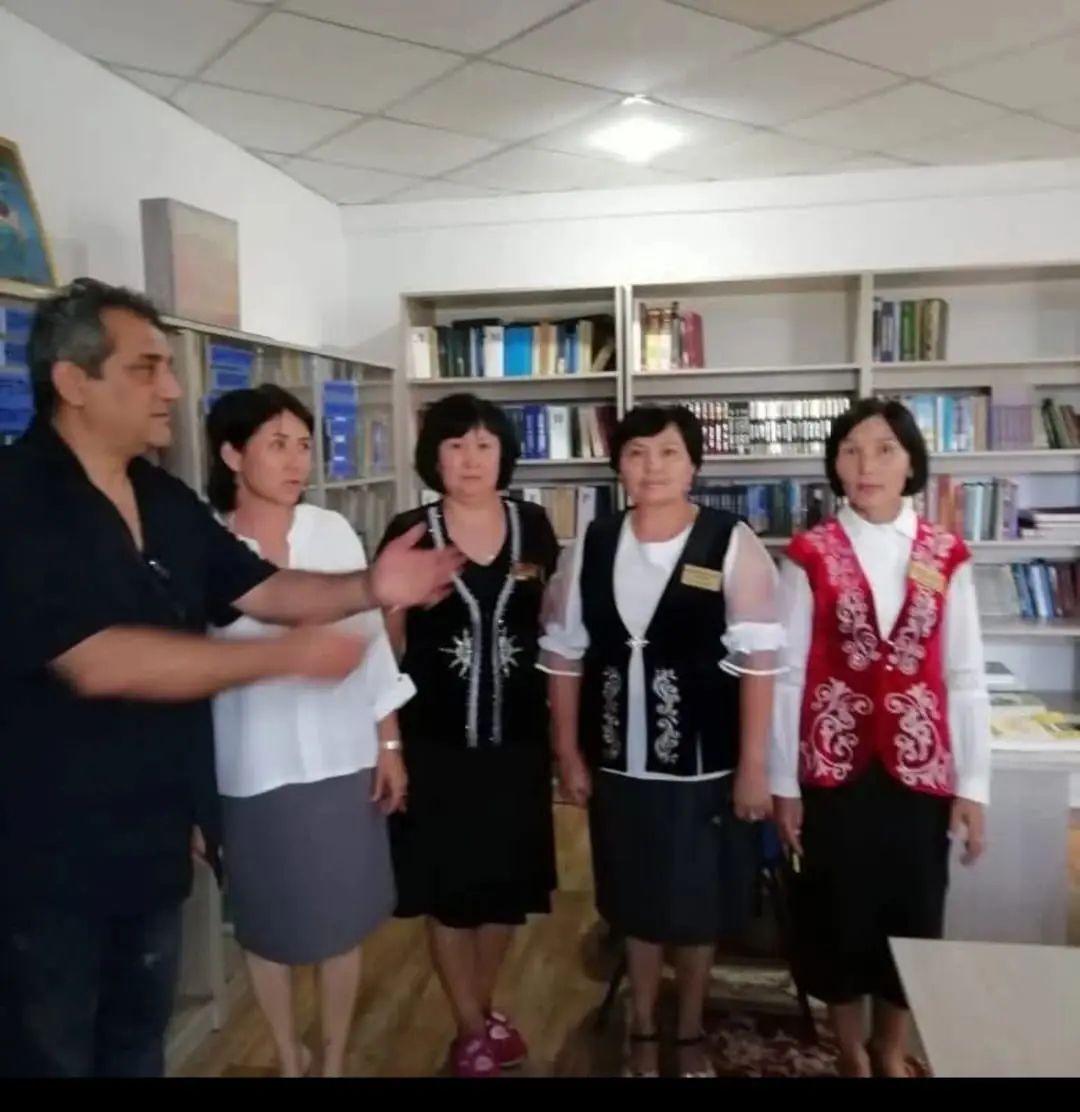

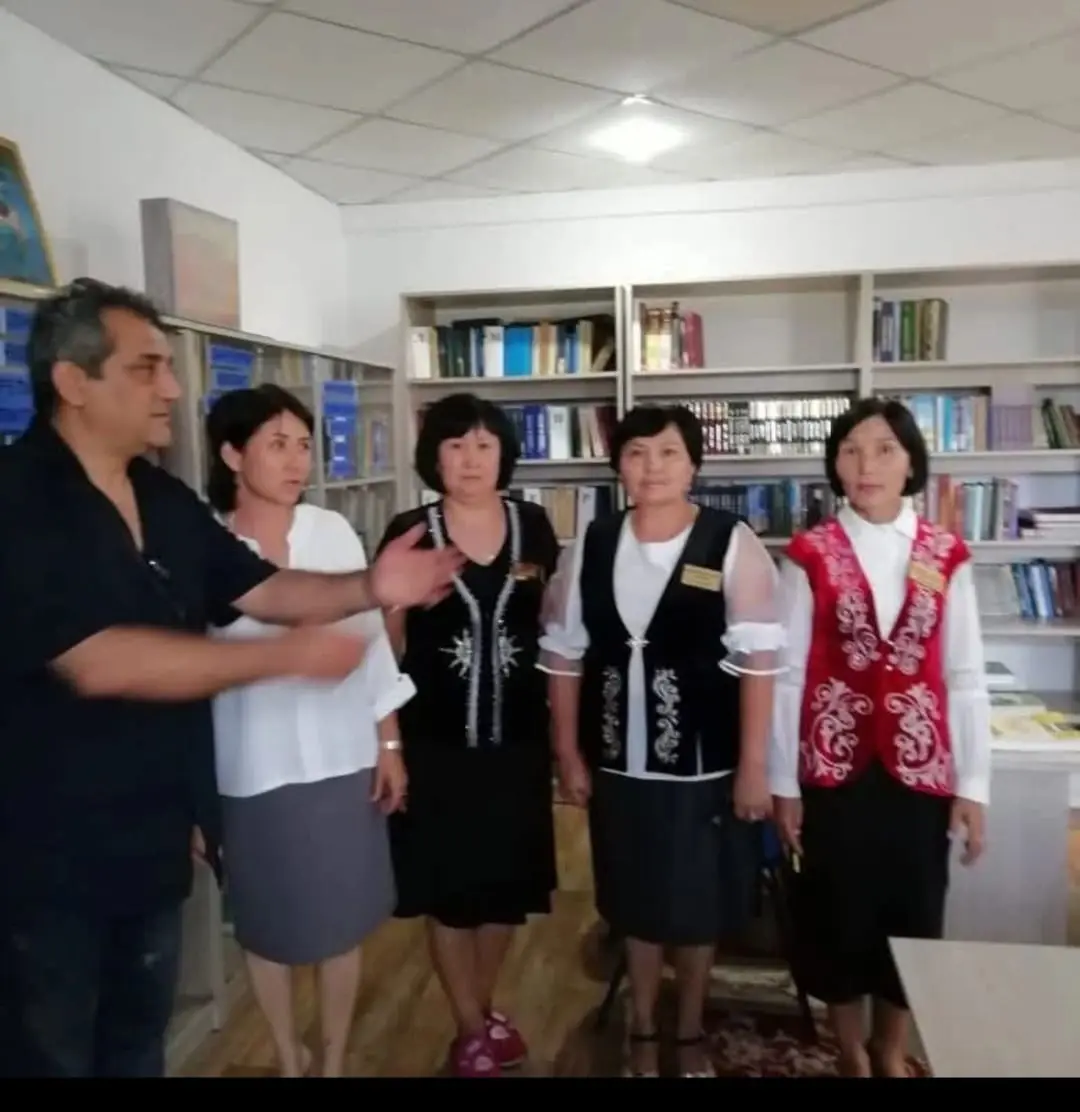
Aksuat District Library The first library in the center of Aksuat village was opened in 1938, with a collection of 1500 books. From 1938 to 1950, the librarian was Iis Rakhmetzhanova. After that, the instructor of the district party committee, Q. Qanafina, worked fruitfully at the district library from 1950 to 1968. At that time, the number of books in the library reached 3000. In the 1970s, the total number of books in libraries across the district reached 288,547, covering literature from various fields of science. During this time, there were 14,881 readers in the library. From 1968 to 1996, the library was managed by Tileughaysha Orazova, who had a special qualification. The staff of the district library was the first in the region to win the title of "Outstanding Librarian" based on the results of their work in 1977. A separate children's library in the district center was opened in 1965. At that time, there were 4,670 books. Later, in the 1978s, the book collection reached 22,050, the number of readers was 1,742, and the number of books issued to them reached 31,162. In 1977, there were 34 rural libraries operating in the district. Among the rural libraries, the Karghyba and Zhdanov rural libraries, which held the title of "Outstanding Librarian" for ten consecutive years, became the pride of the district. During the Soviet Union, 53 librarians worked in 41 libraries across the district. In the optimization period of 1995-1996, 32 out of the 41 operating libraries were closed, leaving 9 libraries. The book collections of the closed libraries were added to the district central library. The children's library, which operated separately, was merged into the district library and continued its work as the children's department of the district library. According to the decree of the Republic of Kazakhstan dated May 23, 1997, on "Changes in the Administrative Territorial Structures of Almaty, East Kazakhstan, Karaganda, and North Kazakhstan Regions" and the decision No. 26 of the regional governor dated May 26, 1997, due to the dissolution of the district, Aksuat District and Tarbagatai District were merged in 1998, with Aksuat village designated as the district center. At this time, all libraries under the two districts resumed their work as a "Centralized Library System." There were 25 libraries operating in the district, 13 of which were in the settlements related to Akzhar village, and the remaining 11 libraries were in the settlements related to Aksuat village. A separate children's library operated in Akzhar village. The total number of books in the district library collection was 290,918. The total number of library users at that time was 18,828. All libraries contributed to the cultural life of the district and continued to operate in this capacity until October 2022. In October 2022, due to the re-separation of the two districts, 13 libraries related to Tarbagatai District became independent. Aksuat District retained 10 rural and 1 district library. Currently, the total book collection in the libraries is approximately 146,000. The number of readers reached 9,470. Every year, the book collection is replenished with new books in the amount of 2,500 and 136 named periodicals. Currently, there are 13 specialists working in the library, including 6 with higher education and the rest with specialized secondary education as librarians. Since 2013, the director of the Aksuat District Centralized Library System has been Kuderina Arai Mauitkalikizi. Efficient work is being carried out to make the library collection accessible to users and to fulfill information requests, providing quality informational support to readers. Five books on local studies have been added to the electronic library of KazUEC. Local studies books that introduce the history and figures of the Aksuat region are now available on the national electronic library portal www.kazneb.kz. A total of 289 documents have been digitized in the field of local studies, including: 66 books, 12 brochures, and 211 newspaper and magazine articles, which have been digitized and transferred to disk. This is a good initiative aimed at delivering valuable materials to future generations. The district library serves as an educational and cultural recreation place for the residents of the district. It continues to work as a center for preserving and developing the cultural and historical heritage of Aksuat District.